
Blog
Types of SDA Housing: Understanding the Four Specialist Disability Accommodation Design Categories
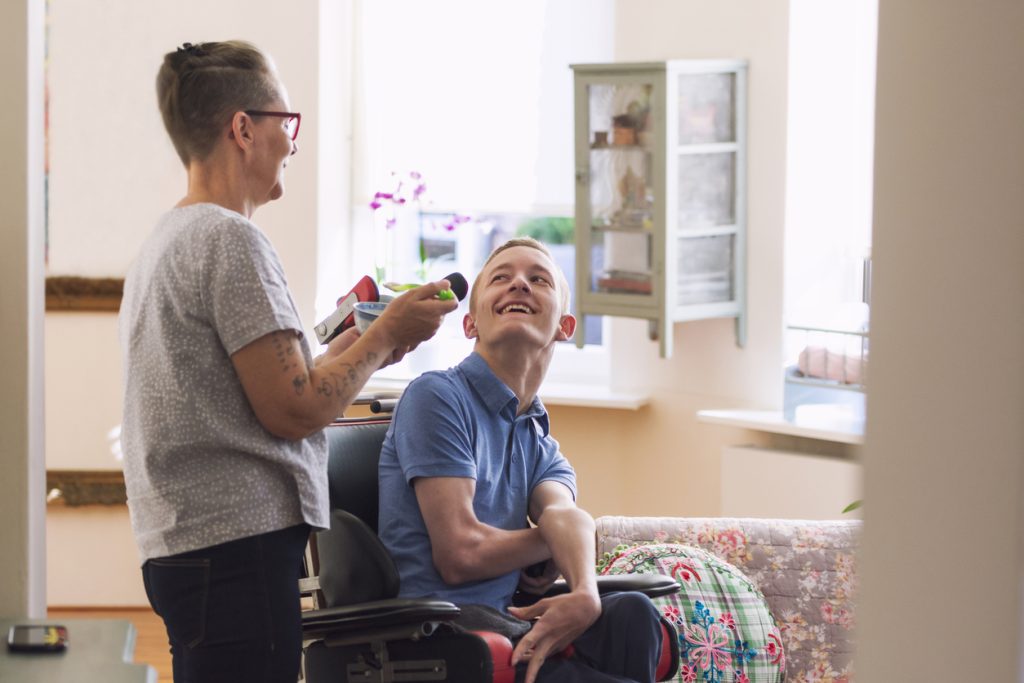
Specialist Disability Accommodation (SDA) provides purpose-built homes for eligible NDIS participants with extreme functional impairment or very high support needs. These homes are designed to improve safety, accessibility, independence, and quality of life while supporting participants to achieve their personal goals.
Understanding the different types of SDA housing is an important step when exploring accommodation options through the NDIS. Each SDA design category has specific features to meet varying levels of support and accessibility requirements. If you’re looking for Specialist Disability Accommodation in Perth or across Western Australia, knowing the differences can help you make informed decisions alongside your support coordinator and allied health professionals.
What Is Specialist Disability Accommodation?
Specialist Disability Accommodation refers to housing funded through the NDIS for eligible participants who require specialised living environments due to significant functional impairment or very high support needs. SDA funding covers the cost of the home itself, while daily supports are typically funded separately through other NDIS supports.
Purpose-built SDA homes provide features that improve accessibility, increase safety, and enable participants to live more independently. Many participants also receive Supported Independent Living (SIL) or other daily support services depending on their individual needs.
Who Is Eligible for SDA Housing?
SDA is available to a relatively small number of NDIS participants whose support needs cannot be met through standard housing. Eligibility is determined by the NDIS based on individual circumstances, assessments, and evidence provided by health professionals.
Participants may qualify for SDA if they have:
- Extreme functional impairment.
- Very high support needs.
- A need for specialised housing to improve safety and independence.
- Evidence demonstrating SDA represents value for money over a participant’s lifetime.
The Four SDA Design Categories
The NDIS recognises four main SDA design categories. Each category is designed to meet different functional requirements and support participants with varying levels of disability.
1. Improved Liveability
Improved Liveability homes are designed for people with sensory, intellectual, or cognitive disabilities who benefit from housing features that make everyday living easier. These homes focus on improving accessibility, orientation, and safety without requiring extensive physical modifications.
Common features may include enhanced lighting, improved wayfinding, contrasting colours for visibility, simplified layouts, and accessible fixtures that support independent living.
This category may be suitable for participants who:
- Have sensory impairments.
- Live with intellectual disability.
- Require predictable and easy-to-navigate home environments.
- Benefit from improved safety features.
2. Fully Accessible Housing
Fully Accessible SDA housing is designed for participants with significant physical disabilities who require homes that accommodate wheelchairs, mobility equipment, and accessible daily living.
These homes include step-free access, wider hallways and doorways, accessible kitchens and bathrooms, reinforced walls for equipment installation, and layouts that support independent movement throughout the property.
Participants living in Fully Accessible homes often experience greater independence with daily tasks while reducing barriers within their home environment.
3. High Physical Support Housing
High Physical Support is the highest level of SDA housing available and is intended for participants with very high physical support needs who require advanced accessibility features and integrated assistive technology.
These homes are built to accommodate complex care requirements while supporting both participant independence and the safe delivery of support services.
Features commonly include:
- Ceiling hoist provisions.
- Emergency backup power.
- Automated doors and environmental controls.
- Space for specialised equipment.
- Advanced communication and assistive technology integration.
High Physical Support homes allow participants to remain comfortable, safe, and supported while maintaining as much independence as possible.
4. Robust Housing
Robust SDA housing is designed for participants whose behaviours may present a risk to themselves, others, or the property. These homes incorporate durable construction materials and layouts that improve safety while maintaining a comfortable and respectful living environment.
Robust housing focuses on reducing environmental triggers, supporting positive behaviour strategies, and creating spaces that promote stability and wellbeing.
Typical design features may include:
- Highly durable building materials.
- Impact-resistant fixtures and fittings.
- Enhanced safety measures.
- Secure outdoor areas.
- Simple and calming layouts.
Comparing the Four SDA Design Categories
| Design Category | Best Suited For | Key Features |
|---|---|---|
| Improved Liveability | Sensory, intellectual or cognitive disability | Improved navigation, lighting and safety |
| Fully Accessible | Physical disability | Wheelchair access, accessible bathrooms and kitchens |
| High Physical Support | Very high physical support needs | Assistive technology, ceiling hoists, emergency power |
| Robust | Complex behavioural support needs | Durable construction and enhanced safety features |
Choosing the Right SDA Housing
Selecting the right SDA housing involves understanding a participant’s current support requirements, long-term goals, mobility needs, and daily living preferences. Occupational therapists, support coordinators, and allied health professionals play an important role in identifying the most suitable housing option.
For participants across Henley Brook, Ellenbrook, Bayswater, Joondalup, Kalamunda, Mandurah, Cockburn, and surrounding Western Australia communities, choosing an appropriate SDA design category can significantly improve independence, comfort, and participation in everyday life.
Benefits of Purpose-Built SDA Housing
Purpose-built SDA homes provide more than accessible accommodation. They create environments that help participants live safely, confidently, and with greater independence.
- Improved accessibility for everyday activities.
- Greater independence within the home.
- Enhanced safety for participants and support workers.
- Better compatibility with assistive technology.
- Comfortable spaces designed around individual support needs.
- Opportunities for increased community participation.
Supporting Independent Living in Western Australia
Access to the right SDA housing can make a meaningful difference in a participant’s daily life. Whether someone requires Improved Liveability, Fully Accessible, High Physical Support, or Robust housing, each design category is intended to create a safe and supportive environment that aligns with individual goals and NDIS funding.
Understanding these housing options helps participants, families, and support teams make informed decisions that promote independence, wellbeing, and long-term quality of life throughout Perth and Western Australia.
Frequently Asked Questions
What is Specialist Disability Accommodation (SDA)?
Specialist Disability Accommodation is NDIS-funded housing designed for eligible participants with extreme functional impairment or very high support needs. These homes include specialised design features that improve accessibility, safety, and independence.
What are the four SDA design categories?
The four SDA design categories are Improved Liveability, Fully Accessible, High Physical Support, and Robust. Each category is designed to support different levels of disability and functional needs.
Who is eligible for SDA housing?
SDA is available to eligible NDIS participants who have extreme functional impairment or very high support needs. Eligibility is determined by the NDIS based on individual assessments and supporting evidence.
Does SDA funding include daily support services?
No. SDA funding generally covers the specialised housing itself, while daily supports such as personal care or Supported Independent Living are funded separately through the participant’s NDIS plan where appropriate.
What areas does Brightwest Care support?
Brightwest Care supports eligible participants across Perth and surrounding Western Australia communities, including Henley Brook, Ellenbrook, Bayswater, Joondalup, Kalamunda, Mandurah, Cockburn, and nearby suburbs.

