
Blog
How to Apply for SDA Housing: A Step-by-Step Guide for NDIS Participants
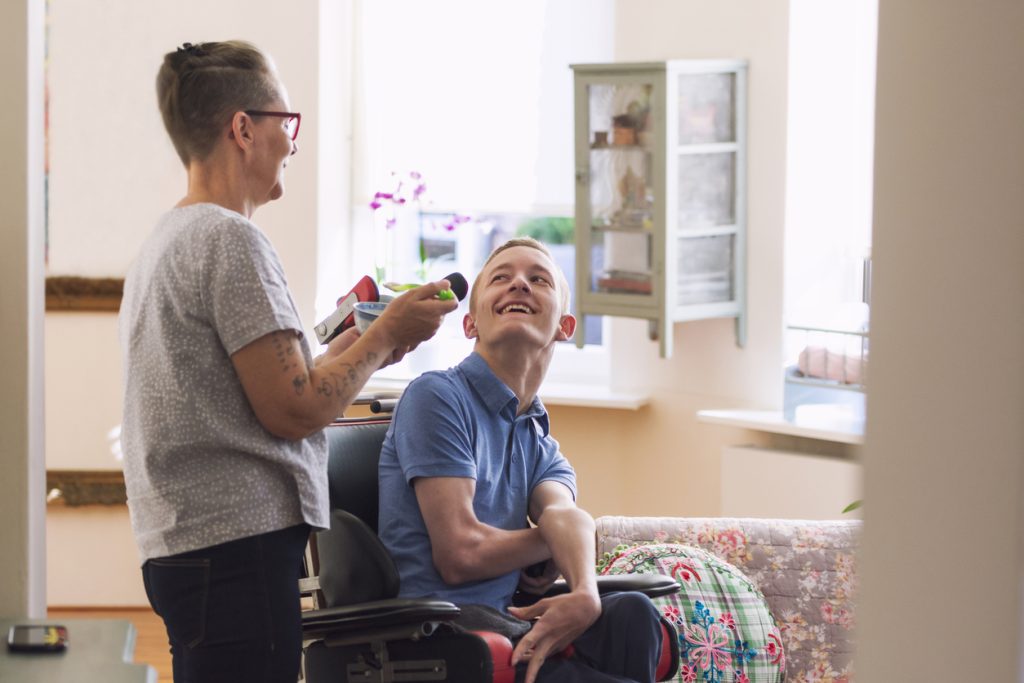
Applying for Specialist Disability Accommodation (SDA) can seem overwhelming, especially if you’re navigating the NDIS for the first time. Understanding the process can help participants and their families make informed decisions and prepare for each stage, from assessing eligibility to moving into a suitable home.
Specialist Disability Accommodation (SDA) is designed for eligible NDIS participants who have extreme functional impairment or very high support needs. It provides purpose-built housing that enables people to live more independently while receiving the supports they require. This guide explains each step of the SDA application process and what participants in Perth, Henley Brook, Ellenbrook, Joondalup, Bayswater, Kalamunda, Mandurah, Cockburn, and surrounding areas of Western Australia can expect.
What Is Specialist Disability Accommodation (SDA)?
Specialist Disability Accommodation refers to housing specifically designed for people with significant disabilities who require specialist features to improve accessibility, safety, and independence. SDA funding is separate from the daily support services participants receive and covers the cost of the specialised housing itself.
Participants living in SDA often receive additional supports through services such as Supported Independent Living (SIL), which helps with everyday activities including personal care, meal preparation, household tasks, and developing independent living skills.
Who Is Eligible for SDA Housing?
Not every NDIS participant qualifies for SDA funding. The NDIS generally approves SDA for people who have permanent and significant disabilities resulting in extreme functional impairment or very high support needs.
Eligibility is determined based on individual circumstances rather than diagnosis alone. The NDIS considers whether specialised housing will provide better long-term outcomes compared to other housing options.
- Participants with complex physical disabilities.
- People requiring accessible or fully accessible housing.
- Individuals needing high levels of daily support.
- Participants whose current home cannot safely meet their support needs.
- People who would benefit from specialised housing to increase independence.
Step 1: Speak with Your Support Team
The first step is discussing your housing goals with your support network. This may include your Support Coordinator, Local Area Coordinator (LAC), Occupational Therapist, allied health professionals, family members, and support workers.
Together, you can determine whether Specialist Disability Accommodation is appropriate for your current and future needs.
Step 2: Complete Functional Assessments
The NDIS requires evidence demonstrating why SDA is necessary. Occupational therapists and other allied health professionals usually complete comprehensive functional assessments.
These reports explain how your disability affects daily living, mobility, safety, personal care, and independence. The assessments also recommend the most suitable SDA design category based on your individual needs.
Step 3: Prepare Supporting Evidence
Your application should include detailed supporting documentation to help the NDIS understand your circumstances.
- Occupational therapy assessments.
- Medical reports.
- Specialist reports.
- Functional capacity assessments.
- Current living arrangements.
- Housing goals.
- Evidence of support requirements.
Providing thorough documentation can assist the NDIS in making an informed decision about SDA eligibility.
Step 4: Submit Your SDA Funding Request
Your Support Coordinator or NDIS planner can help submit your SDA funding request as part of your NDIS plan review or reassessment.
The NDIS reviews all supporting evidence before determining whether SDA funding is considered reasonable and necessary under your plan.
Step 5: Receive Your SDA Funding Decision
If approved, your NDIS plan will include Specialist Disability Accommodation funding. This funding outlines the type of housing approved rather than a specific property.
The approved SDA category may include:
- Improved Liveability
- Fully Accessible
- High Physical Support
- Robust Housing
Your approval will also specify funding levels based on your individual housing requirements.
Step 6: Find Suitable SDA Housing
Once SDA funding has been approved, you can begin searching for suitable accommodation that matches your approved design category, preferred location, and lifestyle goals.
Many participants prefer living close to family, healthcare providers, employment opportunities, public transport, and community activities. Depending on availability, participants may choose homes located in Henley Brook, Ellenbrook, Joondalup, Bayswater, Kalamunda, Mandurah, Cockburn, or other areas across Western Australia.
Learning more about available SDA Housing options can help participants compare different accommodation types and determine which environment best supports their independence.
Step 7: Choose Additional Support Services
Moving into SDA housing often involves coordinating additional NDIS-funded supports that help participants live safely and independently.
Depending on individual goals, these services may include:
- Supported Independent Living (SIL)
- Community participation support
- Daily personal activities assistance
- Personal care support
- Household assistance
- Skill development programs
These supports are tailored to each participant’s NDIS plan and help promote greater independence in everyday life.
Step 8: Move Into Your New Home
Once accommodation and support services have been arranged, participants can prepare to move into their new home. This stage involves coordinating move-in dates, setting up support schedules, arranging furniture and assistive equipment, and ensuring ongoing supports are ready from day one.
Transition planning helps make the move as smooth as possible while allowing participants to become comfortable in their new environment.
Benefits of SDA Housing
Specialist Disability Accommodation offers more than accessible housing. It creates an environment that supports independence, wellbeing, and long-term quality of life.
- Purpose-built accessible homes.
- Greater independence.
- Improved safety and accessibility.
- Enhanced quality of life.
- Opportunities for community participation.
- Accommodation designed around individual support needs.
- Compatibility with Supported Independent Living services.
How Long Does the SDA Application Process Take?
Every application is different. Timeframes depend on the complexity of individual circumstances, the quality of supporting evidence, NDIS planning schedules, and the availability of suitable accommodation.
Preparing complete documentation early and working closely with experienced support professionals can help reduce delays throughout the application process.
Finding SDA Housing in Western Australia
Participants across Western Australia have access to a growing range of Specialist Disability Accommodation options. Choosing housing involves considering accessibility features, support requirements, preferred location, and opportunities to remain connected with family and community.
Whether you’re looking for SDA housing in Perth, Henley Brook, Ellenbrook, Joondalup, Bayswater, Kalamunda, Mandurah, Cockburn, or nearby suburbs, finding accommodation that aligns with your NDIS goals is an important step towards greater independence and improved everyday living.
Frequently Asked Questions
Who is eligible for SDA Housing?
SDA is available to eligible NDIS participants who have extreme functional impairment or very high support needs. Eligibility is assessed individually based on evidence showing that specialised housing is reasonable and necessary.
What documents are needed for an SDA application?
Applications usually include occupational therapy assessments, medical reports, functional capacity assessments, specialist reports, housing goals, and evidence explaining why specialised accommodation is required.
Can I choose where I want to live?
Yes. Participants can choose accommodation that meets their approved SDA category while considering preferred suburbs, support networks, accessibility, and lifestyle goals, subject to property availability.
Can SDA Housing be combined with Supported Independent Living?
Yes. Many participants receive Supported Independent Living alongside SDA funding. SDA funds the specialised home, while SIL funds the daily supports needed to live independently.
Does Brightwest Care provide services across Western Australia?
Brightwest Care supports NDIS participants across Perth and surrounding areas, including Henley Brook, Ellenbrook, Joondalup, Bayswater, Kalamunda, Mandurah, Cockburn, and nearby communities, depending on service availability.

