
Blog
SDA Eligibility Guide: Who Qualifies for Specialist Disability Accommodation?
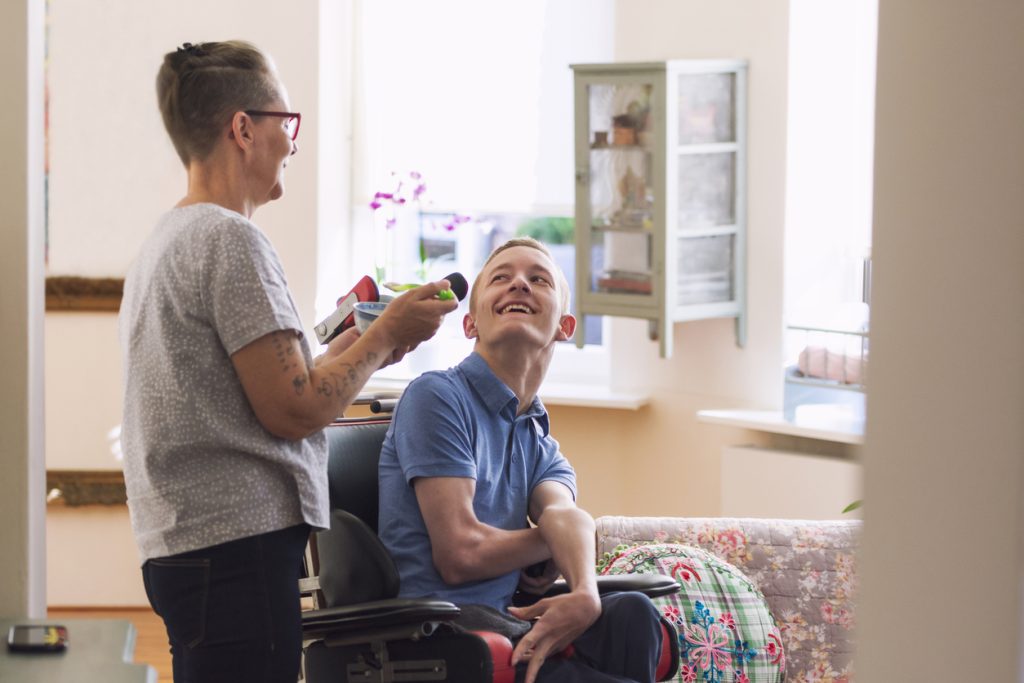
Specialist Disability Accommodation (SDA) is a type of housing funded through the National Disability Insurance Scheme (NDIS) for eligible participants who have extreme functional impairment or very high support needs. SDA is designed to provide homes with specialist features that improve accessibility, independence, safety, and quality of life.
Understanding SDA eligibility can be challenging, especially for participants and families navigating the NDIS for the first time. This guide explains who may qualify, how eligibility is assessed, the role of evidence and assessments, and what to expect throughout the process. If you’re looking for information about NDIS SDA Housing, this article provides a clear overview of the eligibility requirements and funding pathway.
What Is Specialist Disability Accommodation (SDA)?
Specialist Disability Accommodation refers to purpose-built or modified housing designed for NDIS participants who require specialist housing solutions due to significant and permanent disability. These homes provide accessible environments that support participants to live more independently while receiving the supports they need.
Unlike Supported Independent Living (SIL), which funds support workers who assist with daily activities, SDA funding contributes towards the cost of the specialised home itself. Many participants may receive both SDA and SIL funding when appropriate, although each support is assessed separately.
Who Is Eligible for SDA?
Not every NDIS participant is eligible for Specialist Disability Accommodation. SDA funding is intended for a relatively small group of participants whose disability significantly affects their ability to access or live safely in standard housing.
Generally, participants may be considered for SDA if they:
- Have a permanent and significant disability.
- Require specialist housing because conventional homes cannot adequately meet their needs.
- Experience extreme functional impairment or have very high support needs.
- Can demonstrate that SDA represents a reasonable and necessary support under the NDIS.
- Would benefit from housing that improves independence, safety, and long-term outcomes.
Each participant’s circumstances are assessed individually, and eligibility depends on evidence rather than diagnosis alone.
What Does “Extreme Functional Impairment” Mean?
Extreme functional impairment refers to substantial limitations in one or more areas of daily life. Participants may require significant assistance with mobility, personal care, communication, self-management, or other essential activities.
The NDIS considers how a person’s disability impacts their everyday functioning rather than focusing solely on their medical condition. Supporting reports from allied health professionals help demonstrate how specialised housing could improve daily living.
What Are Very High Support Needs?
Some participants may qualify for SDA because they require intensive support throughout the day and night. These supports often involve multiple workers, specialised equipment, or ongoing assistance to ensure safety and wellbeing.
Examples may include participants who require:
- 24-hour support.
- Complex personal care assistance.
- Frequent overnight support.
- Advanced mobility assistance.
- Environmental modifications to safely perform everyday activities.
How Is SDA Eligibility Assessed?
The National Disability Insurance Agency (NDIA) carefully assesses each application using evidence provided by the participant and their support team. The assessment considers both the participant’s current needs and how specialised housing may improve long-term outcomes.
During the assessment, the NDIA typically reviews:
- Functional capacity assessments.
- Occupational therapist reports.
- Medical evidence.
- Current living arrangements.
- Support worker reports.
- Risk assessments.
- Housing suitability.
- Long-term support requirements.
High-quality supporting documentation plays an important role in demonstrating why SDA is appropriate for the participant.
What Evidence Is Needed?
Successful SDA applications generally include comprehensive evidence from qualified professionals who understand the participant’s daily support requirements.
This evidence may include:
- Occupational therapy assessments.
- Functional capacity reports.
- Medical specialist reports.
- Physiotherapy reports.
- Behaviour support assessments where applicable.
- Current support plans.
- Details of informal and formal support networks.
The evidence should clearly explain why existing housing no longer meets the participant’s needs and how specialised accommodation would improve safety, independence, and quality of life.
Understanding SDA Design Categories
Once SDA eligibility is approved, participants may also be assessed for the most appropriate design category based on their functional needs.
| Design Category | Purpose |
|---|---|
| Improved Liveability | Supports participants with sensory, intellectual, or cognitive impairments. |
| Fully Accessible | Designed for participants with significant physical disabilities requiring accessible features. |
| Robust | Provides durable design features for participants requiring resilient living environments. |
| High Physical Support | Includes specialised technology and structural features for participants with complex physical support needs. |
What Happens After SDA Is Approved?
Once SDA funding is included in an NDIS plan, participants can begin exploring suitable accommodation options that align with their approved funding and personal goals.
The process may involve reviewing available properties, discussing preferences with support coordinators, and identifying housing that best supports independence, accessibility, and community participation.
Can Participants Choose Where They Live?
Yes. Participants generally have choice and control over where they live, provided suitable SDA housing is available and aligns with their approved funding.
Many participants seek accommodation close to family, healthcare providers, employment opportunities, public transport, and community activities throughout Western Australia, including areas such as Henley Brook, Ellenbrook, Bayswater, Joondalup, Kalamunda, Mandurah, Cockburn, and surrounding suburbs.
How SDA Supports Independence
Appropriate Specialist Disability Accommodation can significantly improve a participant’s daily life by reducing barriers within the home and supporting greater independence. Accessible layouts, assistive technology integration, and purpose-built features help participants perform everyday tasks more safely and confidently.
When combined with appropriate NDIS supports, SDA can contribute to improved wellbeing, increased participation in the community, and greater choice in how participants live their daily lives.
Common Misconceptions About SDA Eligibility
There are several misunderstandings about SDA funding that can create confusion during the application process.
- Having an NDIS plan does not automatically qualify someone for SDA.
- Having a specific diagnosis alone does not determine eligibility.
- SDA funds the specialist housing, not the daily support workers.
- Participants may receive both SDA and SIL funding when eligible.
- Each application is assessed individually based on evidence and functional needs.
Summary
Specialist Disability Accommodation provides purpose-built housing for eligible NDIS participants with extreme functional impairment or very high support needs. Eligibility is determined through a comprehensive assessment that considers functional capacity, evidence from healthcare professionals, housing requirements, and long-term support needs.
Understanding the eligibility process helps participants and families prepare appropriate documentation and make informed decisions about their housing options. For eligible participants across Western Australia, SDA can provide a safer, more accessible home that supports greater independence and an improved quality of life.
Frequently Asked Questions
Who is eligible for Specialist Disability Accommodation?
SDA is available to a small group of NDIS participants who have extreme functional impairment or very high support needs. Eligibility is determined through an assessment of the participant’s disability, housing needs, and supporting evidence.
Does every NDIS participant qualify for SDA?
No. SDA funding is only available to participants who meet specific eligibility criteria. Having an NDIS plan or a particular diagnosis does not automatically qualify someone for SDA funding.
What evidence is needed for an SDA application?
Applications usually include occupational therapy reports, functional capacity assessments, medical reports, support plans, and other professional evidence explaining why specialised housing is necessary.
Can I receive both SDA and Supported Independent Living funding?
Yes. Some participants receive both SDA funding for specialist housing and Supported Independent Living (SIL) funding for daily support services, provided each support is assessed and approved separately.
What areas does Brightwest Care support?
Brightwest Care supports eligible NDIS participants across Western Australia, including Henley Brook, Ellenbrook, Bayswater, Joondalup, Kalamunda, Mandurah, Cockburn, and surrounding communities, subject to service availability.

