
Blog
Benefits of Specialist Disability Accommodation: How SDA Improves Independence and Quality of Life
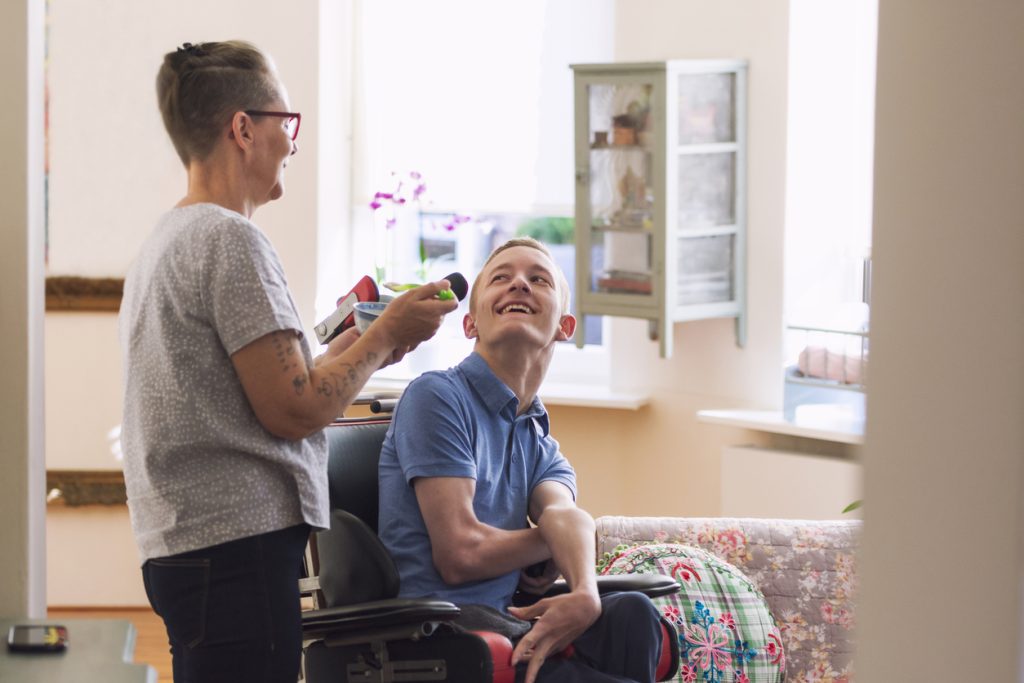
Finding the right home is an important part of living independently and feeling connected to the community. For eligible NDIS participants, Specialist Disability Accommodation (SDA) provides purpose-built housing designed to support people with extreme functional impairment or very high support needs. These homes offer safe, accessible, and comfortable living environments that make everyday life easier while promoting greater independence.
Across Perth and Western Australia, more participants are exploring Specialist Disability Accommodation as a long-term housing option that aligns with their personal goals and lifestyle. Whether living independently, with housemates, or alongside tailored support services, SDA helps create an environment where people can build skills, participate in their communities, and enjoy a better quality of life.
This guide explains the key benefits of Specialist Disability Accommodation, who may be eligible, and how thoughtfully designed disability housing supports everyday living for participants and their families.
What Is Specialist Disability Accommodation (SDA)?
Specialist Disability Accommodation is a category of housing funded through the National Disability Insurance Scheme (NDIS) for eligible participants with significant functional impairment or very high support needs. SDA funding is intended to cover the cost of specialised housing rather than the support services participants receive within the home.
Unlike standard housing, SDA homes are designed with accessibility, safety, and independence in mind. Features such as step-free access, wider doorways, reinforced ceilings for assistive equipment, accessible bathrooms, smart home technology, and adaptable layouts help participants complete daily activities more comfortably and safely.
Specialist Disability Accommodation is often combined with other NDIS supports, including Supported Independent Living (SIL), community participation, daily personal care, and capacity-building supports, creating a holistic approach to independent living.
Who Can Access SDA Housing?
Not every NDIS participant is eligible for Specialist Disability Accommodation. SDA funding is generally available to individuals who have been assessed as requiring specialised housing due to extreme functional impairment or very high support needs.
Eligibility is determined through the NDIS planning process and is based on individual circumstances, assessments, and evidence from health professionals. Occupational therapists, support coordinators, allied health professionals, and other specialists often contribute recommendations that demonstrate why specialised housing is necessary.
Participants living in Henley Brook, Ellenbrook, Bayswater, Joondalup, Cockburn, Kalamunda, Mandurah, and surrounding Western Australian communities can work with their support team to determine whether SDA is appropriate for their goals and long-term needs.
Key Benefits of Specialist Disability Accommodation
One of the greatest advantages of SDA is that it provides more than just accessible housing. It creates an environment where participants can safely develop independence, improve wellbeing, and enjoy greater choice over how they live.
- Purpose-built accessible homes designed for individual support needs.
- Greater independence with everyday living activities.
- Improved safety through specialised design features.
- Enhanced privacy and personal choice.
- Better opportunities for community participation.
- Accommodation that supports assistive technology and mobility equipment.
- Flexible living arrangements including shared and individual homes.
- Long-term housing stability.
Each participant experiences these benefits differently depending on their goals, support needs, and preferred living arrangements.
Improved Independence in Everyday Living
Independence looks different for every individual. For some participants, it may involve preparing meals independently, while for others it could mean moving safely around the home using mobility equipment or communicating through assistive technology.
SDA homes are designed to reduce physical barriers that often make everyday tasks difficult. Wider hallways, accessible kitchens, adjustable benchtops, automated doors, and accessible bathrooms enable participants to complete more daily activities with confidence.
When Specialist Disability Accommodation is combined with personalised support services, participants often have more opportunities to build practical life skills, increase confidence, and work towards greater independence over time.
Enhanced Safety and Accessibility
Safety is one of the most important advantages of Specialist Disability Accommodation. Every aspect of an SDA home is carefully considered to reduce risks while improving comfort and accessibility.
Depending on the design category and participant requirements, homes may include:
- Level entrances and step-free pathways.
- Extra-wide internal doorways.
- Accessible bathrooms with roll-in showers.
- Ceiling hoist provisions.
- Emergency backup systems.
- Smart home automation.
- Accessible kitchen layouts.
- Reinforced walls and structural supports for specialised equipment.
These design features reduce hazards while making it easier for participants to navigate their homes safely and comfortably throughout the day.
Greater Privacy and Personal Choice
One of the principles of the NDIS is giving participants greater choice and control over the supports they receive. Specialist Disability Accommodation supports this philosophy by providing housing options that reflect different lifestyles, preferences, and personal goals.
Some participants choose to live independently, while others prefer shared accommodation where they can socialise with compatible housemates. Having options allows individuals to select living arrangements that suit their personality, daily routine, and long-term aspirations.
Participants are also able to personalise their living spaces, creating a home environment that feels comfortable, familiar, and welcoming.
Better Support for Assistive Technology
Modern disability housing is increasingly designed to integrate assistive technology that enhances independence. Specialist Disability Accommodation can accommodate equipment that would be difficult or impossible to install in traditional housing.
Examples include automated lighting, environmental control systems, voice-activated devices, communication technology, specialised beds, ceiling hoists, and advanced mobility equipment.
When homes are designed with these technologies in mind from the beginning, participants often experience smoother daily routines and greater independence while reducing physical strain for both participants and support workers.
Supporting Community Participation and Social Inclusion
Having a suitable home is only one part of living a fulfilling life. Specialist Disability Accommodation also supports participants to become more involved in their local communities by making it easier to access education, employment, recreation, healthcare, and social activities.
Many SDA homes across Perth and Western Australia are located close to essential services, public transport, parks, shopping centres, and community facilities. This allows participants to maintain routines, attend appointments, and enjoy greater independence while staying connected with family, friends, and their wider community.
For participants who receive additional NDIS supports, combining SDA with community participation services can help build confidence, develop new skills, and encourage meaningful social connections that contribute to overall wellbeing.
Supporting Daily Living and Personal Care
Specialist Disability Accommodation is designed to work alongside a participant’s individual support plan. While SDA funding covers the specialised housing itself, participants may also receive assistance with daily activities through other funded NDIS supports.
This integrated approach enables participants to receive the right level of assistance while maintaining as much independence as possible in their everyday lives.
- Personal hygiene and grooming.
- Meal preparation and nutrition.
- Medication reminders and support.
- Household cleaning and laundry.
- Developing independent living skills.
- Health and wellbeing routines.
- Support with appointments and community access.
Many participants also combine SDA with daily personal activities support to ensure they receive personalised assistance that reflects their unique goals and abilities.
Flexible Living Arrangements for Different Needs
No two participants have the same support requirements or lifestyle preferences. One of the strengths of Specialist Disability Accommodation is the flexibility it offers through a variety of housing options.
Participants may choose to live independently in a self-contained apartment, share a home with other NDIS participants, or live in accommodation specifically designed for people requiring higher levels of support. These options allow individuals to select an environment that best supports both their personal independence and social preferences.
Choosing the right accommodation can also create opportunities to develop stronger daily routines, improve confidence, and enjoy a greater sense of stability over the long term.
Long-Term Housing Stability
Stable housing provides an important foundation for achieving personal goals. Frequent moves or unsuitable accommodation can create unnecessary stress for participants and their families, making it more difficult to establish routines or maintain consistent support services.
Specialist Disability Accommodation offers long-term housing solutions that are specifically designed to evolve with changing support needs. As participants continue developing their skills and independence, their home remains a safe and accessible place where they can continue working towards future goals.
Long-term stability also benefits support workers, allied health professionals, and family members by creating consistency in the delivery of care and services.
Purpose-Built Housing That Supports Wellbeing
The design of an SDA home goes beyond accessibility alone. Modern Specialist Disability Accommodation aims to improve physical comfort, emotional wellbeing, and overall quality of life through thoughtful architectural design.
Natural lighting, spacious layouts, private outdoor areas, quiet environments, and adaptable living spaces all contribute to creating homes that feel welcoming rather than clinical. Participants are able to enjoy greater comfort while maintaining dignity and independence.
Purpose-built environments also help reduce physical fatigue by minimising barriers that would otherwise make everyday tasks more challenging.
Benefits for Families and Support Networks
Specialist Disability Accommodation provides valuable peace of mind for families, carers, and support networks. Knowing that a loved one is living in housing specifically designed for their needs can reduce concerns about safety, accessibility, and long-term accommodation.
Families often report feeling more confident knowing participants have access to suitable living environments, professional support where required, and opportunities to continue developing independence at their own pace.
This collaborative approach allows participants, families, support coordinators, and disability support providers to work together towards shared goals while respecting participant choice and control.
How SDA Supports Participants Across Western Australia
Participants throughout Henley Brook, Ellenbrook, Bayswater, Joondalup, Kalamunda, Cockburn, Mandurah, and surrounding Western Australian communities may benefit from Specialist Disability Accommodation depending on their eligibility and individual circumstances.
Access to quality disability housing allows participants to remain connected to local services, healthcare providers, recreational facilities, employment opportunities, and community activities that support greater independence and inclusion.
When combined with personalised support services such as Supported Independent Living (SIL), participants can receive the assistance they need while continuing to make decisions about how they live, learn, and participate within their communities.
Choosing the Right Specialist Disability Accommodation
Selecting an SDA home is an important decision that should reflect both current support needs and future goals. Factors such as accessibility requirements, preferred location, household compatibility, available support services, and community access all play an important role in finding the right home.
Working closely with support coordinators, occupational therapists, and NDIS planners helps ensure participants understand their available options and choose accommodation that aligns with their funding and personal aspirations.
For many participants, the right Specialist Disability Accommodation creates opportunities to build independence, strengthen life skills, and enjoy a higher quality of life within a safe, supportive, and accessible environment.
Conclusion
Specialist Disability Accommodation provides far more than accessible housing. It creates opportunities for eligible NDIS participants to live with greater independence, safety, comfort, and confidence while supporting meaningful participation in everyday life.
Across Perth, Henley Brook, Ellenbrook, Bayswater, Joondalup, Kalamunda, Cockburn, Mandurah, and surrounding Western Australian communities, SDA continues to play an important role in helping participants achieve their personal goals through thoughtfully designed homes that support both current and future needs.
When combined with the right NDIS supports, Specialist Disability Accommodation empowers participants to enjoy greater choice, stronger independence, and an improved quality of life in a home designed around their individual needs.
Frequently Asked Questions
What is Specialist Disability Accommodation (SDA)?
Specialist Disability Accommodation (SDA) is purpose-built housing funded through the NDIS for eligible participants with extreme functional impairment or very high support needs. These homes are designed to improve accessibility, safety, and independence while supporting participants to live more comfortably and confidently.
Who is eligible for Specialist Disability Accommodation?
SDA is available to a small percentage of NDIS participants who meet specific eligibility criteria. The NDIS considers factors such as functional impairment, support requirements, assessments from allied health professionals, and long-term housing needs before approving SDA funding.
What are the benefits of Specialist Disability Accommodation?
Specialist Disability Accommodation offers many benefits, including improved accessibility, increased independence, enhanced safety, support for assistive technology, greater privacy, and better opportunities for community participation. Purpose-built homes also help participants develop daily living skills while supporting long-term wellbeing.
Can Specialist Disability Accommodation be combined with other NDIS supports?
Yes. SDA funding covers the specialised housing itself, while other NDIS supports such as Supported Independent Living (SIL), daily personal activities, community participation, and capacity-building supports can be delivered within the home based on the participant’s individual plan.
What areas in Western Australia does Brightwest Care support?
Brightwest Care supports NDIS participants across Henley Brook, Bayswater, Ellenbrook, Joondalup, Kalamunda, Cockburn, Mandurah, and surrounding areas throughout Perth and Western Australia. Support services are tailored to each participant’s individual goals, living arrangements, and support requirements.

