
Blog
Living Independently with Specialist Disability Accommodation (SDA)
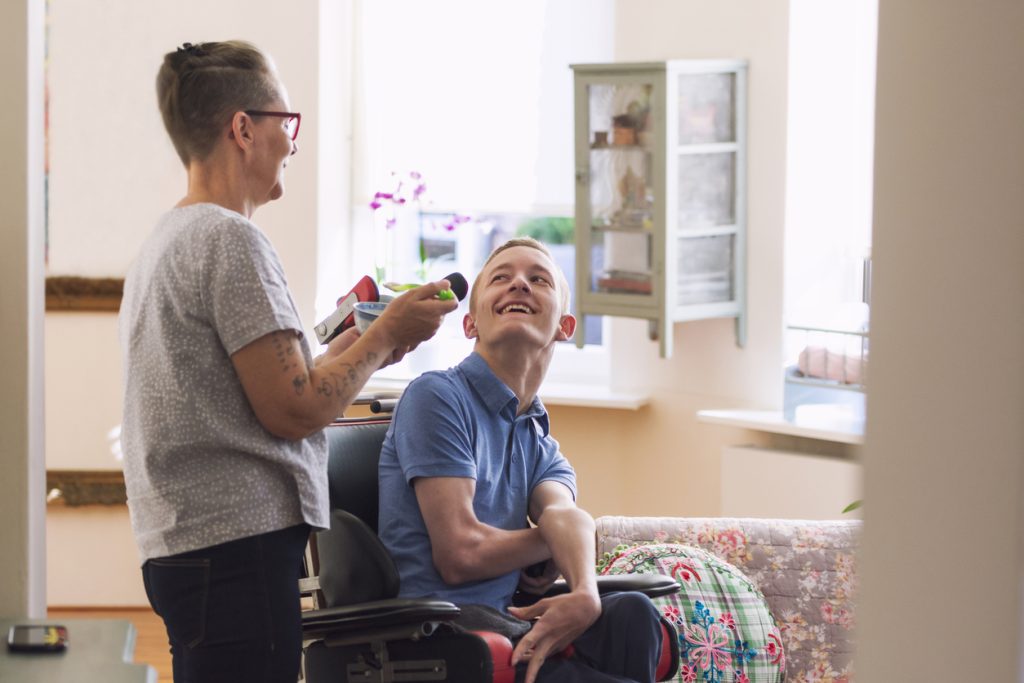
For many NDIS participants, living independently is about more than having a place to call home. It means having the right environment, supports, and opportunities to make everyday decisions, build confidence, and enjoy a fulfilling lifestyle. Specialist Disability Accommodation (SDA) provides purpose-built housing designed for people with extreme functional impairment or very high support needs, helping participants live as independently as possible while remaining safe and connected to their community.
Across Western Australia, including Henley Brook, Ellenbrook, Joondalup, Bayswater, Kalamunda, Mandurah, and Cockburn, SDA housing is helping eligible participants achieve greater independence through accessible design, personalised support, and modern living environments that reflect individual goals.
What Is Specialist Disability Accommodation?
Specialist Disability Accommodation (SDA) is a type of NDIS-funded housing for participants who require specialised homes due to significant functional impairment or very high support needs. These homes are designed to improve accessibility, increase safety, and enable greater independence while supporting long-term wellbeing.
Unlike traditional housing, SDA homes include design features that make everyday activities easier, whether participants use mobility equipment, require assistive technology, or need an environment that supports ongoing personal care.
How SDA Housing Supports Independent Living
Independent living looks different for every person. For some, it may mean preparing meals independently, while for others it involves participating more actively in the local community or developing daily living skills. SDA housing creates an environment that makes these goals more achievable.
- Accessible kitchens and bathrooms that support daily routines.
- Open layouts designed for mobility equipment and assistive technology.
- Improved safety features that reduce risks within the home.
- Greater privacy while maintaining access to personalised support when needed.
- Flexible living arrangements that encourage independence and choice.
When combined with appropriate NDIS supports, SDA accommodation allows participants to focus on achieving their personal goals while enjoying a comfortable and secure home environment.
Building Everyday Confidence
Living in suitable accommodation can have a positive impact on confidence and wellbeing. Accessible surroundings make everyday activities easier, allowing participants to develop practical life skills and become more involved in their own routines.
Simple achievements such as preparing meals, organising household tasks, managing personal care, or welcoming visitors into the home can contribute to greater independence over time. SDA housing provides the physical environment that supports these important milestones.
Supporting Community Participation
Independent living extends beyond the home. Being able to access local shops, healthcare services, recreational facilities, education, and employment opportunities plays an important role in overall quality of life.
Participants living in Specialist Disability Accommodation throughout Perth and surrounding Western Australian communities often benefit from homes located close to essential services and community amenities. This makes it easier to maintain social connections, participate in activities, and pursue individual interests.
Who May Be Eligible for SDA?
SDA funding is available to a small percentage of NDIS participants who have been assessed as requiring specialist housing due to extreme functional impairment or very high support needs. Eligibility is determined by the National Disability Insurance Agency (NDIA) as part of a participant’s NDIS plan.
An assessment typically considers a participant’s current living situation, long-term housing needs, functional capacity, and the benefits that specialist accommodation may provide.
Features Commonly Found in SDA Homes
Every SDA property is different, but many homes include features that promote safety, accessibility, and independence.
- Step-free access throughout the home.
- Wide doorways and hallways for improved accessibility.
- Accessible bathrooms and kitchens.
- Ceiling reinforcement for assistive equipment where required.
- Smart home technology to improve independence.
- Emergency communication systems.
- Comfortable private bedrooms with shared or individual living spaces.
The exact design depends on the participant’s needs and the SDA design category, such as Improved Liveability, Fully Accessible, Robust, or High Physical Support.
Benefits of Living in SDA Housing
| Benefit | How It Supports Participants |
|---|---|
| Greater Independence | Supports participants to complete more daily tasks independently. |
| Improved Accessibility | Reduces physical barriers throughout the home. |
| Enhanced Safety | Specialised design features minimise everyday risks. |
| Personal Choice | Participants have greater control over how they live. |
| Better Wellbeing | A comfortable, accessible home contributes to confidence and quality of life. |
Independent Living Across Western Australia
Participants and families throughout Henley Brook, Ellenbrook, Bayswater, Joondalup, Kalamunda, Mandurah, Cockburn, and nearby Western Australian communities continue to seek housing solutions that promote independence while meeting individual support requirements.
Purpose-built SDA housing offers an opportunity to live in an environment that is tailored to participants’ functional needs while encouraging greater autonomy and participation in everyday life.
Choosing the Right SDA Housing
Selecting Specialist Disability Accommodation involves considering a participant’s current and future needs. Factors such as accessibility, location, compatibility with support services, transport options, and opportunities for community participation all contribute to finding the right home.
Working closely with support coordinators, occupational therapists, and the participant’s wider support network helps ensure accommodation aligns with long-term goals and promotes sustainable independent living.
Conclusion
Specialist Disability Accommodation provides more than accessible housing—it creates opportunities for greater independence, increased confidence, and improved quality of life. By combining purpose-built environments with personalised supports, eligible NDIS participants can develop daily living skills, participate more actively in their communities, and enjoy greater choice in how they live.
Frequently Asked Questions
What is Specialist Disability Accommodation (SDA)?
Specialist Disability Accommodation is NDIS-funded housing designed for eligible participants with extreme functional impairment or very high support needs. These homes are purpose-built to improve accessibility, safety, and independence.
Who is eligible for SDA housing?
Only a small proportion of NDIS participants qualify for SDA funding. Eligibility is determined by the NDIA based on a participant’s functional needs, disability-related supports, and long-term housing requirements.
Does SDA include daily support services?
No. SDA funding covers the specialised housing itself. Daily support services, such as personal care or Supported Independent Living (SIL), are funded separately through an eligible participant’s NDIS plan.
Can participants choose where they live?
Where suitable vacancies are available, participants can choose accommodation that best suits their goals, accessibility needs, preferred location, and support arrangements.
What areas in Western Australia can benefit from SDA housing?
SDA housing supports eligible participants across Perth and surrounding communities, including Henley Brook, Ellenbrook, Bayswater, Joondalup, Kalamunda, Mandurah, Cockburn, and nearby suburbs where appropriate accommodation is available.

