
Blog
Accessible SDA Homes: Features That Support Independent Living
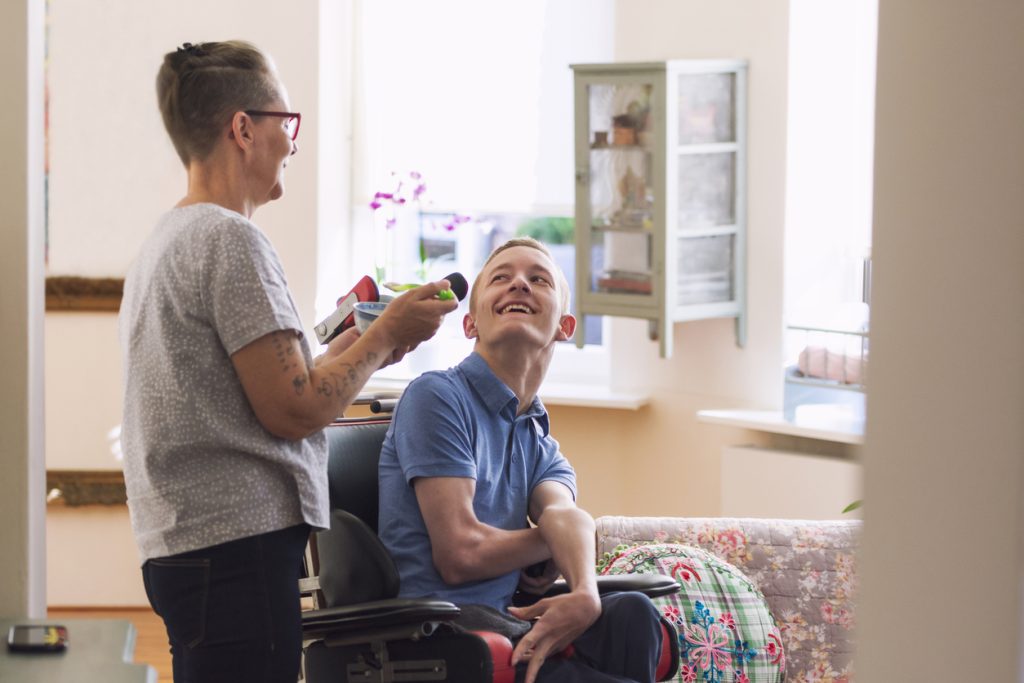
Specialist Disability Accommodation (SDA) is designed to provide safe, accessible, and purpose-built homes for eligible NDIS participants with extreme functional impairment or very high support needs. Accessible SDA homes are thoughtfully designed to improve independence, comfort, and quality of life while supporting participants to achieve their personal goals.
Across Perth and Western Australia, accessible SDA homes include features that make everyday activities easier, reduce barriers within the home, and support participants to live with greater confidence. Whether someone requires wheelchair-accessible housing, assistive technology, or an environment that accommodates ongoing support, SDA properties are designed to meet a wide range of individual needs.
Understanding the features available in SDA Housing can help participants, families, and support coordinators make informed decisions about suitable accommodation options.
What Is an Accessible SDA Home?
An accessible SDA home is purpose-built or significantly modified to meet the needs of eligible NDIS participants. These homes are designed using the NDIS SDA Design Standard to create safer, more functional living environments that promote independence while supporting daily living activities.
Unlike standard housing, SDA accommodation considers mobility, accessibility, safety, and long-term support requirements from the initial design stage. The goal is to create homes where participants can move freely, complete daily tasks more independently, and receive support when needed.
Who Can Benefit from Accessible SDA Homes?
Accessible SDA homes may be suitable for NDIS participants who have significant physical disabilities, neurological conditions, progressive illnesses, or other complex support needs. SDA funding is only available to eligible participants whose NDIS plans include Specialist Disability Accommodation.
Participants living in Henley Brook, Ellenbrook, Bayswater, Joondalup, Kalamunda, Mandurah, Cockburn, and surrounding Western Australia communities may benefit from accessible housing that provides a safe and supportive environment while remaining connected to local services, healthcare providers, and community activities.
Key Accessibility Features Found in SDA Properties
Modern SDA homes include a range of practical design features that help participants carry out everyday tasks with greater ease. While individual properties vary, many incorporate thoughtful layouts and technology that support both participants and their support teams.
- Step-free entrances for easier access.
- Wide hallways and internal doorways to accommodate wheelchairs and mobility aids.
- Open-plan living spaces that improve movement throughout the home.
- Accessible bathrooms with roll-in showers and grab rails.
- Height-adjustable kitchen benches and accessible appliances.
- Slip-resistant flooring to improve safety.
- Automatic doors where appropriate.
- Emergency call systems and safety monitoring features.
- Accessible outdoor pathways and communal spaces.
- Ceiling reinforcement for future assistive equipment where required.
These features work together to reduce environmental barriers and support participants in completing daily routines more comfortably.
Wheelchair Accessible Housing That Promotes Independence
Wheelchair-accessible housing focuses on allowing participants to move freely throughout the home with minimal assistance. Wide circulation spaces, level flooring, accessible storage, and adaptable layouts help create an environment where participants can independently complete many everyday activities.
Well-designed spaces can also improve interactions with family members, visitors, and support workers by making every room more functional and comfortable for everyone involved.
Smart Home Features in SDA Accommodation
Many newer SDA homes include smart home technology that improves accessibility and convenience. These systems can help participants control various aspects of their environment while reducing reliance on physical effort.
- Voice-controlled lighting.
- Automatic blinds and curtains.
- Remote-controlled doors.
- Smart climate control systems.
- Video intercom and security systems.
- Automated power switches.
- Emergency alert systems.
Assistive technology can often be integrated with participants’ existing support equipment, helping create a home environment that adapts to changing needs over time.
Accessible Bathrooms Designed for Safety
Bathrooms are one of the most important areas within any accessible SDA home. Purpose-built designs help reduce falls, improve safety during personal care, and allow support workers to provide assistance more effectively when required.
Common features include level-access showers, grab rails, non-slip flooring, accessible toilets, adjustable fixtures, and generous turning space for mobility equipment.
Accessible Kitchens That Encourage Daily Living Skills
Preparing meals is an important part of independent living. Accessible kitchens allow participants to safely take part in cooking and other household activities according to their abilities.
Features such as adjustable benchtops, lower storage solutions, accessible sinks, and easy-to-use appliances help create practical spaces where participants can build confidence and develop daily living skills.
Supporting Everyday Living Beyond the Home
An accessible home is only one part of independent living. Location also plays an important role in helping participants maintain social connections and access essential services.
Many SDA homes across Perth are located close to healthcare services, shopping centres, parks, public transport, community facilities, and employment or education opportunities. Living within established communities can make it easier for participants to stay connected while pursuing their personal goals.
Choosing the Right SDA Home
Every participant has unique support needs, preferences, and long-term goals. Choosing suitable SDA accommodation involves considering factors such as accessibility requirements, location, household compatibility, available supports, and future needs.
Participants often work alongside their support coordinator, allied health professionals, and NDIS planning team to identify accommodation that aligns with their funding and lifestyle preferences.
How Accessible SDA Homes Improve Quality of Life
Purpose-built accessible housing provides more than physical accessibility. It creates an environment where participants can enjoy greater independence, increased confidence, improved safety, and stronger participation in everyday life.
By reducing environmental barriers and incorporating practical design features, accessible SDA homes support participants throughout Western Australia in living more comfortably while maintaining choice and control over their daily routines.
Frequently Asked Questions
What is an accessible SDA home?
An accessible SDA home is purpose-built or modified accommodation designed for eligible NDIS participants with significant functional impairment or high support needs. These homes include accessibility features that improve safety, mobility, and independence.
Who is eligible for Specialist Disability Accommodation?
SDA funding is available to a small percentage of NDIS participants who meet specific eligibility criteria. Eligibility is determined through the NDIS planning process based on individual support needs and functional capacity.
What accessibility features are commonly included in SDA homes?
Common features include step-free access, wide doorways, accessible bathrooms, adaptable kitchens, smart home technology, emergency systems, and layouts designed to support mobility and independence.
Are smart home technologies available in SDA properties?
Many modern SDA homes include smart home technology such as automated lighting, climate control, voice-controlled systems, remote door access, and emergency communication features that support everyday living.
Are accessible SDA homes available across Perth and Western Australia?
Accessible SDA homes are available in various locations throughout Perth and surrounding Western Australia, depending on participant needs, eligibility, and housing availability.

