
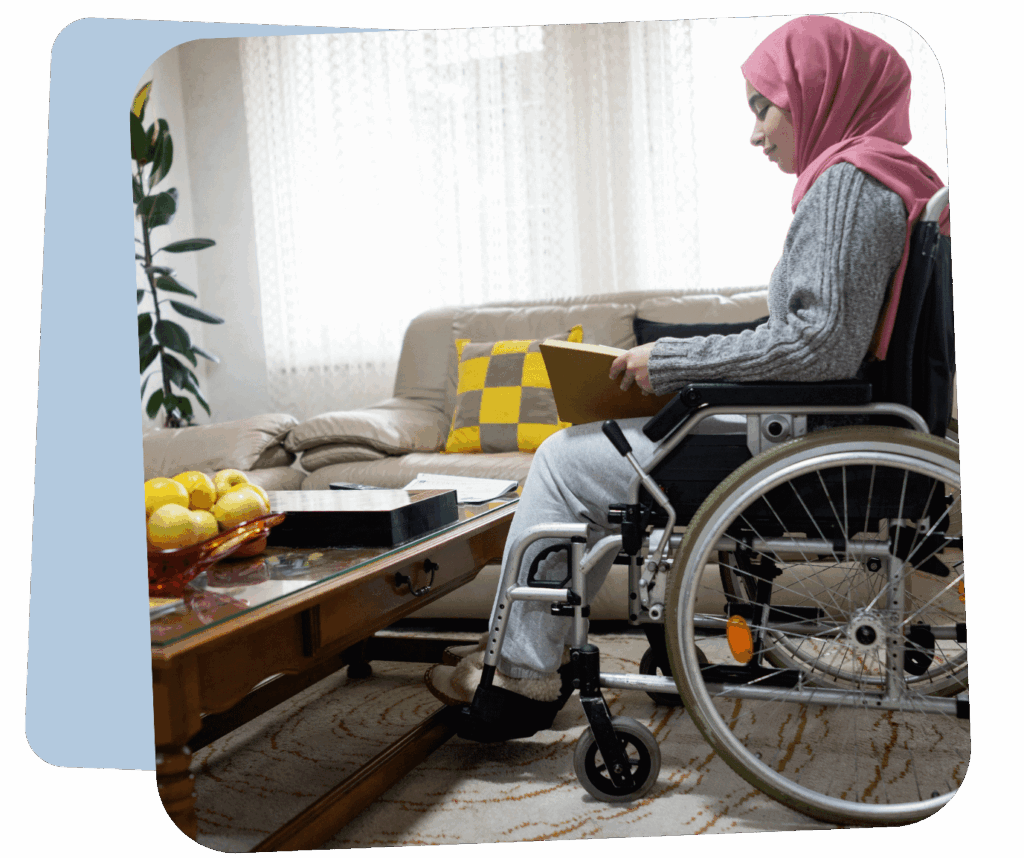
Short Term Accommodation (STA) can give NDIS participants a safe and supportive place to stay while providing families and carers with a valuable break from their usual responsibilities. For people living in Kalamunda and surrounding areas of Western Australia, STA can support independence, daily living skills, social participation and personal wellbeing.
This guide explains how short term accommodation in Kalamunda works, what support may be available, who may benefit from STA, and how it can fit into an individual’s broader NDIS support plan. It also explains how respite support can help participants maintain routines while building confidence outside their usual home environment.
What Is Short Term Accommodation?
Short Term Accommodation is temporary accommodation and support for NDIS participants who need a short stay away from their usual home. It may be used for respite, personal development, social participation or to provide a change of environment while maintaining appropriate support.
STA is sometimes referred to as respite care, although the purpose can extend beyond giving a family member or carer a break. A well-planned stay can provide opportunities for participants to practise everyday skills, participate in community activities and experience greater independence.
For participants in Kalamunda, short term disability accommodation may provide a practical option when a temporary change of living arrangements is appropriate and consistent with their NDIS plan and individual circumstances.
How Does STA Support Participants in Kalamunda?
Short term accommodation support can be structured around the participant’s goals, abilities, routines and preferred activities. The level and type of assistance can vary depending on individual needs, the accommodation arrangement and the supports included in the participant’s NDIS plan.
A stay may include assistance with everyday routines, personal activities, meal preparation, household tasks, communication, community participation and developing practical living skills. The aim is to provide appropriate support while encouraging the participant to do as much as they can independently.
- Support with everyday routines and personal activities
- Assistance with meal preparation and household tasks
- Opportunities to practise independent living skills
- Support to access community and social activities
- Assistance with communication and following daily routines
- Support for maintaining personal wellbeing and confidence
- A temporary change of environment that may benefit the participant and their usual carer
Who May Benefit From Short Term Accommodation?
STA may be suitable for NDIS participants who need temporary accommodation and support for a range of reasons. The most appropriate arrangement depends on the participant’s individual goals, support needs and NDIS funding.
Some participants may benefit from STA because they want to build confidence away from home. Others may use temporary accommodation as an opportunity to practise cooking, personal routines, household responsibilities or travelling within the local community.
Families and carers can also benefit when a participant has appropriate temporary support in place. Respite arrangements can provide time for carers to rest, attend to other responsibilities or maintain their own wellbeing while the participant continues receiving suitable support.
Short Term Accommodation and Respite Support in Kalamunda
Respite support for disability can be an important part of maintaining sustainable support arrangements for participants and their families. A temporary stay can create space for carers while helping participants continue their routines in a supportive environment.
In Kalamunda, respite may also provide opportunities to connect with local community facilities, recreational activities and social environments. The experience can be planned around the participant’s interests rather than being treated simply as a place to stay.
For example, a participant might use an STA stay to practise preparing a simple meal, attend a community activity, visit a local recreation area or work on household routines. These everyday experiences can contribute to confidence and independence when they are aligned with the person’s goals.
What Support Can Be Included During an STA Stay?
The support provided during short term accommodation depends on the participant’s individual circumstances and the agreed service arrangement. STA is not identical for every participant, so support should be considered in relation to personal goals, daily routines and functional needs.
Depending on the arrangement, participants may receive assistance with daily personal activities, household routines, meals, community participation and other agreed supports. The focus should remain on providing appropriate assistance while respecting the participant’s choices, dignity and independence.
Daily Personal Activities
Some participants may require assistance with personal routines such as getting ready for the day, maintaining personal hygiene, dressing or following established routines. Support should be delivered respectfully and according to the participant’s individual needs.
Meal Preparation and Household Skills
An STA stay can provide a practical setting for developing everyday living skills. Participants may practise preparing meals, organising belongings, cleaning shared areas or completing simple household tasks with an appropriate level of assistance.
Community Participation
Short term accommodation does not need to be limited to activities inside the accommodation. Participants may have opportunities to take part in social and community activities that reflect their interests and goals, including activities around Kalamunda and nearby WA communities.
For participants who want to strengthen their social connections and confidence, participation in community activities can complement temporary accommodation support and encourage greater involvement in everyday community life.
Building Independent Living Skills
Temporary accommodation can be an opportunity to practise skills that are useful beyond the STA stay. Depending on the participant’s goals, this may include managing routines, preparing food, organising personal items, making choices and completing appropriate household responsibilities.
How STA Can Support Independence
Independence does not necessarily mean doing everything without assistance. For many NDIS participants, independence means having greater choice, confidence and control over everyday decisions while receiving the right level of support.
Short term accommodation can create opportunities to practise these skills in a different environment. Participants can work through familiar routines while gradually becoming more comfortable with making choices, managing tasks and participating in activities outside their usual home setting.
This can be particularly valuable for people working towards longer-term independent living goals. Where appropriate, STA experiences can complement other supports designed around independent living and community participation.
STA and SIL: What Is the Difference?
Short Term Accommodation and Supported Independent Living serve different purposes. STA is generally a temporary accommodation and support arrangement, while Supported Independent Living is designed for eligible NDIS participants who require ongoing support with daily living while living independently or with other people.
Someone considering longer-term supported accommodation may benefit from understanding how different support models work before making a decision. For example, SIL accommodation services can provide information about supported living arrangements and the types of daily assistance that may be available to eligible participants.
STA should not automatically be viewed as a pathway into SIL. The appropriate support depends on the participant’s circumstances, goals, functional needs, funding and NDIS plan.
How Short Term Accommodation Can Support Families and Carers
Caring for a person with disability can involve significant time, planning and responsibility. When an appropriate respite arrangement is available, a temporary STA stay can provide carers with time to rest and manage other responsibilities while the participant receives suitable support.
Respite can also help families maintain sustainable routines. Having planned periods of support may allow participants and carers to return to their usual routine feeling more prepared and supported.
The needs of every family are different. For this reason, STA arrangements should be planned around the participant’s needs rather than relying on a one-size-fits-all approach.
Planning Short Term Accommodation in Kalamunda
Good planning can make an STA stay more comfortable and meaningful. Before arranging accommodation, it is useful to consider the participant’s support needs, preferred routines, communication requirements, interests, dietary needs and personal preferences.
- Identify the purpose of the STA stay
- Review the participant’s NDIS plan and available funding
- Consider the participant’s daily support requirements
- Discuss preferred routines, interests and activities
- Consider accessibility and accommodation requirements
- Share important health, safety, communication and dietary information with the appropriate support team
- Plan suitable community and social activities
- Discuss what the participant hopes to achieve during the stay
Planning should also take into account whether the participant is comfortable staying away from their usual home. Some people may need additional preparation, particularly if they have not previously stayed in temporary accommodation.
Understanding NDIS Accommodation Support in Kalamunda
NDIS accommodation support can involve different types of services, depending on a participant’s circumstances and funding. STA is one form of temporary support and should be distinguished from longer-term accommodation options and ongoing daily living supports.
Participants and families should check their individual NDIS plan and discuss funding questions with their Support Coordinator, Plan Manager or the relevant NDIS contact. Funding availability and eligibility are determined according to the participant’s circumstances and NDIS requirements.
When considering temporary disability housing in WA, it is important to look beyond the physical accommodation. The support environment, accessibility, daily routines, participant preferences and opportunities for community participation can all influence whether an arrangement is appropriate.
The Role of Support Coordination
Support coordination can help participants understand and connect different supports within their NDIS plan. A Support Coordinator may assist with coordinating services, understanding available options and connecting participants with appropriate providers.
For participants who need assistance coordinating multiple services, support coordination services can form part of a broader approach to managing NDIS supports. The specific role of support coordination depends on the participant’s funding and individual needs.
STA and In-Home Disability Support
Not every participant needs temporary accommodation. In some situations, receiving appropriate support within the person’s usual home may be a more suitable option.
In-home disability support can assist participants with everyday activities while they remain in a familiar environment. This may include support with personal routines, household activities and other daily living needs, depending on the agreed service.
STA and in-home support can serve different purposes. The right option depends on the participant’s goals, preferences, support requirements and NDIS funding.
Short Term Accommodation Across Kalamunda and Nearby WA Communities
Participants living in Kalamunda may also have connections with nearby communities across Western Australia. Local accessibility, family relationships, work, education, recreation and existing support networks can all influence where temporary accommodation is most practical.
Depending on individual circumstances, participants may also seek support in areas such as Bayswater, Henley Brook, Ellenbrook, Joondalup, Mandurah and Cockburn. Local knowledge can be useful when planning community activities and maintaining connections with familiar services and social environments.
The location of an STA stay should ultimately reflect the participant’s needs and goals. Being close to family, familiar community activities or preferred services may help some participants feel more comfortable during a temporary stay.
Making an STA Stay Meaningful for the Participant
A successful short term accommodation experience is about more than providing a temporary place to live. It should give the participant opportunities to make choices, maintain routines, develop skills and take part in activities that are meaningful to them.
For one person, this might mean learning to prepare breakfast independently. For another, it could involve visiting a local community venue, practising public transport skills or spending time participating in a favourite social activity.
Small achievements can be important. A participant who becomes more confident completing a routine or making a choice during an STA stay may carry that confidence into other areas of daily life.
Choosing Appropriate Short Term Accommodation Support
When considering short term accommodation support in Kalamunda, participants and families should look at how well the service matches the person’s needs rather than focusing only on the accommodation itself.
- Does the support reflect the participant’s individual goals?
- Can daily routines and personal preferences be accommodated?
- Are accessibility and support requirements understood?
- Are community participation opportunities available?
- Is communication clear between the participant, family, carer and support team?
- Are the arrangements consistent with the participant’s NDIS funding?
- Does the support promote dignity, choice and independence?
Taking time to consider these questions can help participants and families make informed decisions about temporary accommodation and respite support.
Short Term Accommodation as Part of a Broader Support Plan
STA is often most useful when considered as part of a participant’s broader support goals. Temporary accommodation may complement daily living assistance, community participation, support coordination and other NDIS-funded services where those supports are appropriate.
For example, a participant may use STA to practise skills that they also work on through their regular support services. Another participant may use a short stay to maintain social connections and community involvement while their usual carer takes a planned break.
This broader approach helps keep the participant’s goals at the centre of support planning. Rather than treating accommodation as an isolated service, the focus can remain on wellbeing, choice, participation and greater independence.
What Participants Can Expect From Good STA Support
Every participant has different needs, but good short term accommodation support should be respectful, person-centred and responsive. Participants should be supported to understand their routines, make choices and participate in activities that are appropriate for their interests and abilities.
Families and carers can also benefit from clear communication about the participant’s routines, preferences and support requirements. Preparing this information before a stay can help create a smoother experience for everyone involved.
Key Points About Short Term Accommodation in Kalamunda
- STA provides temporary accommodation and support for eligible NDIS participants.
- It may provide respite for families and carers while supporting the participant.
- STA can create opportunities to practise daily living and independent living skills.
- Community and social participation can be incorporated into an appropriate stay.
- The level of support should reflect the participant’s individual needs and goals.
- STA is different from longer-term Supported Independent Living arrangements.
- NDIS funding and eligibility should be checked before arranging services.
- Local considerations around Kalamunda and surrounding WA communities can help shape meaningful support arrangements.
Frequently Asked Questions
What is Short Term Accommodation under the NDIS?
Short Term Accommodation (STA) provides temporary accommodation and support for NDIS participants. It may be used for respite, developing daily living skills, social participation or experiencing a different environment, depending on the participant’s individual goals and NDIS funding.
STA is different from long-term accommodation arrangements because it is intended for temporary stays and support.
How does STA support families and carers in Kalamunda?
STA can provide families and carers with a planned break from their usual caring responsibilities while the participant receives appropriate temporary support. This can give carers time to rest, manage other responsibilities or maintain their own wellbeing.
The participant can continue receiving support with daily routines and meaningful activities during the temporary stay.
What support can be included during a short term accommodation stay?
Support may include assistance with daily personal activities, household routines, meal preparation, independent living skills and community participation. The exact support depends on the participant’s individual needs, goals and agreed service arrangements.
Participants may also have opportunities to take part in social and recreational activities that are appropriate for their interests and abilities.
Is Short Term Accommodation the same as Supported Independent Living?
No. Short Term Accommodation is designed for temporary stays and support, while Supported Independent Living (SIL) provides ongoing support with daily living for eligible NDIS participants living independently or with other people.
The appropriate option depends on the participant’s goals, support needs, NDIS funding and individual circumstances.
Can participants in Kalamunda access other NDIS support services alongside STA?
Depending on their NDIS plan and individual circumstances, participants may use STA alongside other appropriate supports such as support coordination, in-home disability support and community participation services.
Participants should review their funding and support needs with the relevant NDIS professional or support coordinator to determine which services are appropriate.
