
Blog
Understanding the Facts About NDIS Specialist Disability Accommodation
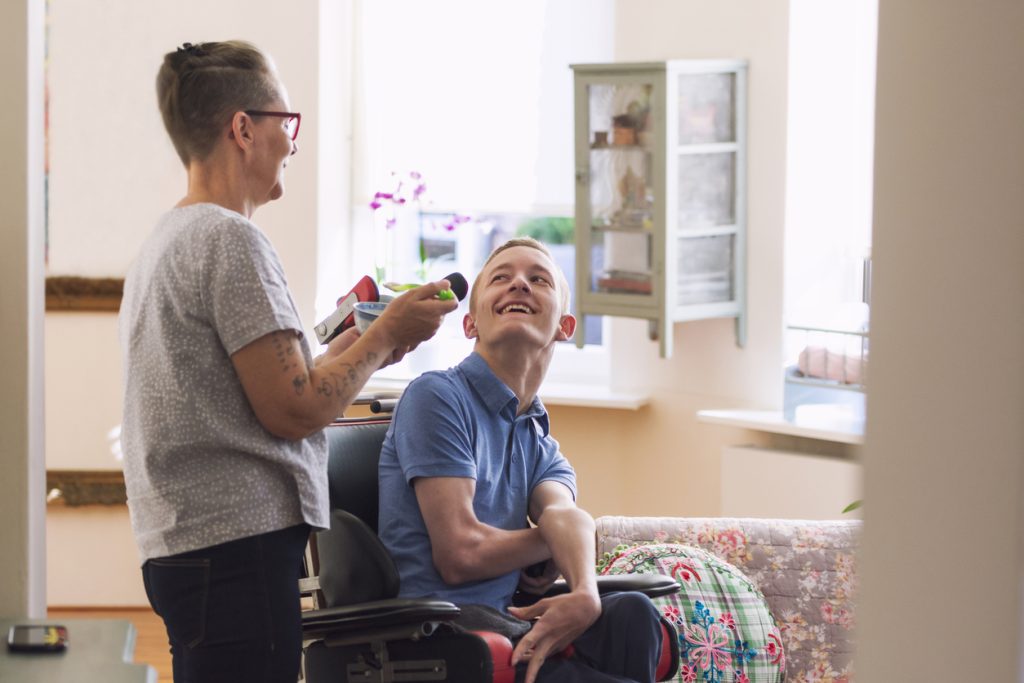
Specialist Disability Accommodation (SDA) plays an important role in helping eligible NDIS participants live more independently in homes designed to meet their specific support needs. Despite growing awareness of SDA Housing across Western Australia, there are still many misconceptions about who can access it, how it works, and what it provides.
Understanding the facts can help participants, families, carers, and support coordinators make informed decisions about NDIS SDA Housing and explore accommodation options that align with individual goals. Whether you’re based in Henley Brook, Ellenbrook, Joondalup, Bayswater, Kalamunda, Mandurah, Cockburn, or surrounding WA communities, knowing how Specialist Disability Accommodation works is an important step in the NDIS journey.
What Is Specialist Disability Accommodation?
Specialist Disability Accommodation (SDA) refers to housing specially designed for eligible NDIS participants who have very high support needs or significant functional impairments. SDA focuses on providing accessible, safe, and purpose-built homes that make daily living easier while supporting greater independence.
Unlike general disability housing, SDA funding covers the specialised housing component rather than the day-to-day support services participants receive. Many people living in SDA also receive other NDIS supports, such as Supported Independent Living (SIL), personal care, and community participation assistance.
Why Are There So Many Misunderstandings About SDA Housing?
The NDIS includes several accommodation and support options, each designed for different participant needs. Because terms such as SDA, SIL, disability housing, and supported accommodation are often used interchangeably, it is easy for confusion to arise.
Understanding the difference between housing and support services helps participants identify which funding and accommodation options best suit their circumstances.
Myth 1: Anyone with an NDIS Plan Can Access SDA Housing
Fact: Not every NDIS participant is eligible for Specialist Disability Accommodation.
SDA funding is only available to participants who meet specific eligibility criteria established by the NDIS. Generally, this applies to people with extreme functional impairment or very high support needs that require specialised housing.
Eligibility is assessed based on an individual’s circumstances, goals, functional assessments, and supporting evidence provided during the NDIS planning process.
Myth 2: SDA Housing and Supported Independent Living Are the Same Thing
Fact: SDA and Supported Independent Living (SIL) are different supports.
SDA relates to the physical home itself, while SIL focuses on the support services provided within the home to help participants with everyday tasks.
| Specialist Disability Accommodation (SDA) | Supported Independent Living (SIL) |
|---|---|
| Purpose-built accessible housing | Daily support services |
| Housing funding | Support funding |
| Focuses on the property | Focuses on participant assistance |
| May include accessible design features | Assists with personal care, cooking, cleaning and daily routines |
Many participants living in SDA Housing also receive Supported Independent Living services, but they remain separate NDIS funding categories.
Myth 3: SDA Homes Feel Like Institutions
Fact: Modern Specialist Disability Accommodation is designed to feel like a home, not a facility.
Today’s SDA Accommodation in Perth and across Western Australia focuses on privacy, comfort, accessibility, and community inclusion. Homes are designed to support independence while allowing participants to personalise their living spaces.
Many SDA properties include features such as:
- Accessible bathrooms and kitchens
- Wide doorways and hallways
- Smart home technology
- Ceiling hoists where required
- Assistive technology integration
- Private bedrooms and shared living spaces
- Outdoor accessible areas
Myth 4: Participants Must Live Alone
Fact: Participants may have several accommodation options depending on their goals and funding.
Some people choose individual apartments or villas, while others prefer shared homes where they can enjoy companionship and shared support arrangements. The right option depends on personal preferences, support requirements, and NDIS planning outcomes.
Participants interested in shared accommodation may also explore shared living options that encourage independence while fostering social connection.
Myth 5: SDA Housing Is Only Available in Perth
Fact: SDA Housing is available in many locations throughout Western Australia.
Participants may find Specialist Disability Accommodation in Perth as well as surrounding communities including Henley Brook, Ellenbrook, Joondalup, Bayswater, Kalamunda, Mandurah, Cockburn, and other growing regions across WA.
Location availability varies depending on participant demand, housing developments, and NDIS-approved vacancies.
Myth 6: Once You Move Into SDA Housing, You Cannot Move Again
Fact: Participants’ circumstances and goals can change over time.
If support needs evolve or a different property better suits a participant’s goals, alternative accommodation may be considered. Any changes should be discussed with the participant’s support coordinator, NDIS planner, and accommodation provider to ensure funding arrangements remain appropriate.
Myth 7: SDA Funding Covers All Support Services
Fact: SDA funding only relates to the specialist accommodation itself.
Participants usually receive separate funding for services such as:
- Personal care
- Daily living assistance
- Medication support
- Community participation
- Skill development
- Household assistance
- Behaviour support where applicable
These supports may be delivered through services such as daily personal activities and community participation supports, depending on each participant’s NDIS plan.
How SDA Housing Supports Independence
Purpose-built SDA homes are designed to remove barriers that may affect everyday life. Accessible layouts, specialised equipment, and thoughtful design can help participants complete daily tasks more safely and comfortably.
For many participants across Henley Brook, Ellenbrook, Joondalup, Bayswater, Kalamunda, Mandurah, Cockburn, and nearby Western Australian communities, suitable SDA Accommodation provides greater choice, increased confidence, and opportunities to participate more actively in their local community.
Who May Benefit From Specialist Disability Accommodation?
While eligibility is determined by the NDIS, SDA may benefit participants who require specialised housing due to significant physical disabilities, neurological conditions, or other complex support needs.
Assessments typically consider:
- Functional capacity
- Support requirements
- Long-term housing needs
- Safety considerations
- Participant goals
- Recommendations from allied health professionals
Understanding SDA Helps Participants Make Informed Choices
Misunderstandings about Specialist Disability Accommodation can prevent eligible participants from exploring housing options that may improve their quality of life. Learning the facts about SDA Housing, NDIS accommodation funding, and available supports makes it easier to navigate the NDIS and plan for long-term independence.
For participants and families throughout Western Australia, understanding the difference between housing and support services is an important step towards choosing accommodation that reflects individual goals, promotes independence, and supports a fulfilling lifestyle.
Frequently Asked Questions
Who is eligible for Specialist Disability Accommodation?
Specialist Disability Accommodation is available to eligible NDIS participants who have very high support needs or significant functional impairments. Eligibility is assessed by the NDIS using supporting evidence, assessments, and individual circumstances.
Is SDA Housing the same as Supported Independent Living?
No. SDA funds the specialist housing itself, while Supported Independent Living (SIL) funds the daily support services participants receive within the home. Many participants receive both supports, but they are assessed separately.
Can participants choose where they live?
Where suitable vacancies exist, participants can explore accommodation options that align with their support needs, lifestyle preferences, and NDIS goals. Availability may vary across different areas of Western Australia.
What features are commonly found in SDA homes?
SDA homes may include accessible bathrooms, wider doorways, assistive technology, ceiling hoists, smart home features, step-free access, and layouts designed to improve safety and independence.
What areas in Western Australia are commonly serviced by SDA providers?
SDA providers may offer accommodation across Perth and surrounding communities including Henley Brook, Ellenbrook, Bayswater, Joondalup, Kalamunda, Mandurah, Cockburn, and other parts of Western Australia, depending on housing availability.

