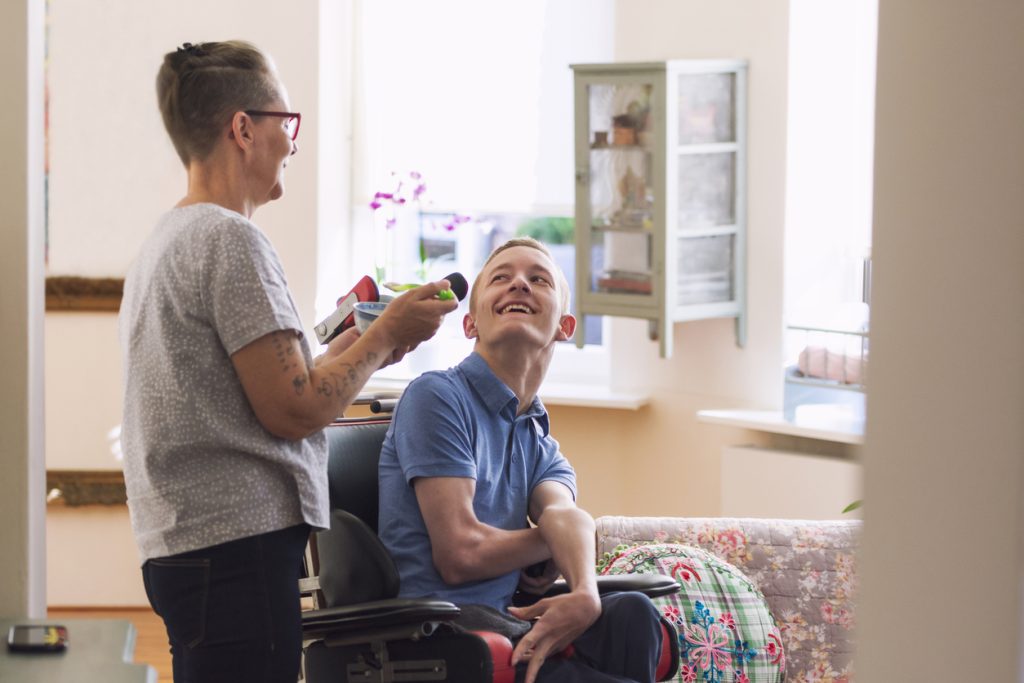
Choosing the right NDIS housing support can feel overwhelming, especially when trying to understand the difference between Specialist Disability Accommodation (SDA) and Supported Independent Living (SIL). While these supports are often mentioned together, they serve different purposes and are funded separately under the National Disability Insurance Scheme (NDIS).
Understanding how SDA and SIL work can help participants, families, and support coordinators make informed decisions about housing, daily support, and long-term independence. Whether you’re exploring SDA Housing or looking into Supported Independent Living (SIL), knowing how these supports complement one another is an important step in planning the right living arrangement.
Across Western Australia, including Henley Brook, Ellenbrook, Bayswater, Joondalup, Kalamunda, Mandurah, Cockburn and surrounding suburbs, many NDIS participants receive either SDA, SIL, or a combination of both depending on their individual goals, support needs, and eligibility.
Understanding SDA and SIL
Although SDA and SIL are both designed to support people living with disability, they are not the same service. SDA focuses on the home itself, while SIL provides the day-to-day support needed to live as independently as possible.
Some participants receive funding for one support, while others may qualify for both. The right combination depends on an individual’s functional capacity, support requirements, and the recommendations outlined in their NDIS plan.
What is Specialist Disability Accommodation (SDA)?
Specialist Disability Accommodation (SDA) is NDIS funding that helps eligible participants access purpose-built homes designed for people with extreme functional impairment or very high support needs. Rather than paying for daily care, SDA funding contributes towards the cost of specialised housing that provides a safer, more accessible living environment.
SDA homes are built to improve accessibility, safety, and independence. These properties are designed with features that reduce barriers within the home and support participants in carrying out everyday activities more comfortably.
In Perth and across Western Australia, SDA Accommodation may include apartments, villas, duplexes, or shared homes that meet strict NDIS Design Standards. These homes are developed to accommodate different accessibility requirements while promoting greater independence and quality of life.
Who is Eligible for SDA?
Only a small percentage of NDIS participants are eligible for SDA funding. Eligibility is based on having very high support needs or significant functional impairment that requires specialised housing.
The NDIS considers several factors when assessing SDA eligibility, including how a participant’s disability affects their ability to safely access and use a standard home. Functional assessments, reports from allied health professionals, and evidence supporting long-term housing needs all contribute to the decision-making process.
- Participants with extreme functional impairment.
- People requiring purpose-built accessible housing.
- Individuals needing specialised home design features.
- Participants whose current housing no longer meets their support needs.
- People whose independence and safety would improve through specialised accommodation.
SDA funding covers the specialised accommodation itself rather than the personal support delivered within the home.
Types of SDA Housing
The NDIS recognises several SDA design categories, allowing participants to access housing that best suits their functional needs. Each category is designed to improve safety, accessibility, and long-term independence.
- Improved Liveability – Homes designed for people with sensory, intellectual, or cognitive impairment.
- Fully Accessible – Accommodation with step-free access, wider doorways, and accessible bathrooms.
- High Physical Support – Homes equipped for participants requiring complex physical support and assistive technology.
- Robust – Durable housing designed for participants whose behaviours may impact the living environment.
Participants searching for Specialist Disability Accommodation Perth often explore different housing options based on their NDIS funding and preferred location, whether that is Henley Brook, Ellenbrook, Joondalup or nearby communities throughout Western Australia.
What is Supported Independent Living (SIL)?
Supported Independent Living (SIL) is an NDIS support that helps participants with everyday tasks while living in their own home or shared accommodation. Unlike SDA, SIL is not about the building itself. Instead, it funds the support workers who assist participants with daily living.
SIL aims to help people build independence, develop practical life skills, and participate more confidently in their community. The level of support varies depending on each participant’s goals and individual needs, with assistance available during the day, overnight, or around the clock.
Participants receiving SIL may live in shared homes, independent units, or SDA properties. Many people choose SIL because it provides ongoing assistance while encouraging greater independence and personal choice.
To learn more about this support, visit our Supported Independent Living (SIL) services page.
What Support is Included in SIL?
SIL focuses on helping participants manage everyday life while developing the confidence to do as much as possible independently. Supports are tailored to individual goals and can change over time as participants build new skills.
- Personal care and hygiene assistance.
- Meal planning and cooking support.
- Household cleaning and laundry.
- Medication reminders and support.
- Shopping and budgeting assistance.
- Developing daily living skills.
- Support with community participation.
- Overnight or 24-hour support where required.
Participants living in Henley Brook, Bayswater, Ellenbrook, Joondalup, Kalamunda, Mandurah and Cockburn may receive SIL supports in shared accommodation, individual homes, or Specialist Disability Accommodation depending on their approved NDIS plan.
Can You Have SDA Without SIL?
Yes. Some participants receive funding for Specialist Disability Accommodation but do not require Supported Independent Living. They may live independently, receive informal support from family members, or access other NDIS-funded services that meet their daily support needs.
For these participants, SDA provides a safe, accessible, and purpose-built home without the need for ongoing in-home support through SIL funding.
Can You Receive SIL Without SDA?
Yes. Many NDIS participants receive Supported Independent Living without living in Specialist Disability Accommodation. SIL funding can be provided in standard rental properties, privately owned homes, or shared living arrangements where participants need assistance with daily activities.
This makes SIL one of the most flexible NDIS housing supports, allowing participants to receive personalised assistance regardless of whether they live in specialist disability housing.
The Key Difference Between SDA and SIL
The simplest way to understand the difference is that SDA funds the home, while SIL funds the support provided inside the home. Although they often work together, they are assessed independently by the NDIS and have separate eligibility requirements.
Some participants only require accessible housing. Others only need daily support. Participants with complex needs may receive funding for both, allowing them to live in purpose-built accommodation while receiving the assistance they need to live safely and independently.
SDA vs SIL: Side-by-Side Comparison
While Specialist Disability Accommodation (SDA) and Supported Independent Living (SIL) are often discussed together, they provide different types of support under the NDIS. Understanding these differences can help participants, families, and support coordinators determine which option—or combination of options—best suits individual needs and goals.
| Feature |
Specialist Disability Accommodation (SDA) |
Supported Independent Living (SIL) |
| Purpose |
Provides purpose-built or modified housing for eligible participants. |
Provides daily support to help participants live independently. |
| Funds |
The specialised accommodation. |
Support workers and daily living assistance. |
| Eligibility |
Participants with extreme functional impairment or very high support needs. |
Participants who require regular assistance with everyday activities. |
| Includes Personal Care |
No. |
Yes. |
| Includes Daily Living Support |
No. |
Yes. |
| Can Be Combined |
Yes. |
Yes. |
| Primary Goal |
Provide safe, accessible housing. |
Promote independence through personalised support. |
In many cases, participants receive both supports because accessible housing and daily assistance work together to improve independence and quality of life.
Can You Receive Both SDA and SIL?
Yes. Many eligible NDIS participants receive both SDA and SIL funding. Although they are assessed separately, the supports often complement each other and create a more suitable living arrangement for people with complex support needs.
For example, a participant may live in a purpose-built SDA home while receiving SIL funding for assistance with personal care, meal preparation, household tasks, medication support, and community participation. Together, these supports create an environment that promotes independence while ensuring participants receive the help they need throughout the day.
Receiving both supports does not happen automatically. Each participant must demonstrate eligibility based on their functional capacity, disability-related support needs, and evidence provided during the NDIS planning process.
How the NDIS Assesses SDA and SIL Funding
The NDIS considers SDA and SIL as separate funding supports because they address different aspects of independent living. Each support requires its own assessment and supporting evidence.
When determining eligibility, the NDIS reviews information from health professionals, functional assessments, occupational therapists, and support coordinators. These reports help demonstrate how a participant’s disability affects their housing requirements and daily living needs.
- Functional Capacity Assessments.
- Occupational Therapist reports.
- Medical evidence.
- Current living arrangements.
- Support needs throughout the day and overnight.
- Long-term housing goals.
- Recommendations from support coordinators.
Each participant’s circumstances are unique, so funding decisions are based on individual needs rather than diagnosis alone.
Who Benefits Most from SDA?
Specialist Disability Accommodation is designed for participants whose disability significantly affects their ability to live safely in a standard home. These individuals often require specialised building features that improve accessibility, reduce risks, and support greater independence.
Participants who may benefit from SDA include those with complex physical disabilities, significant mobility limitations, neurological conditions, or other disabilities that require purpose-built housing.
Accessible design features commonly found in SDA homes include:
- Step-free entrances.
- Wide hallways and doorways.
- Accessible bathrooms.
- Ceiling hoist provisions.
- Smart home technology.
- Emergency response systems.
- Improved wheelchair accessibility.
These features help participants complete everyday activities more safely while supporting long-term independence.
Who Benefits Most from SIL?
Supported Independent Living is suitable for participants who need ongoing assistance with everyday tasks but want to maintain as much independence as possible. The level of support can vary from a few hours each day to 24-hour assistance depending on individual needs.
SIL is often recommended for participants who would benefit from structured daily support while learning new skills and increasing confidence.
Examples of participants who may benefit from SIL include people who require assistance with:
- Personal care routines.
- Preparing meals.
- Managing medications.
- Household cleaning.
- Shopping and budgeting.
- Developing independent living skills.
- Attending appointments.
- Community participation.
These supports are tailored to individual goals, helping participants build practical skills while maintaining choice and control over their daily lives.
SDA and SIL in Western Australia
Across Western Australia, more participants are exploring housing options that support greater independence while remaining connected to their local communities. Purpose-built SDA homes and personalised SIL supports are available in many metropolitan and regional locations, allowing participants to choose accommodation that aligns with their goals and lifestyle.
Areas including Henley Brook, Ellenbrook, Bayswater, Joondalup, Kalamunda, Mandurah, and Cockburn continue to experience growing demand for accessible disability housing and supported independent living options. Living close to family, healthcare providers, public transport, employment opportunities, and community activities can make a significant difference to a participant’s overall wellbeing.
For many people, having access to both suitable accommodation and personalised daily support creates greater confidence, increased independence, and stronger community connections.
Choosing the Right Support for Your Needs
Choosing between SDA and SIL isn’t about deciding which support is better—it’s about understanding which support addresses your individual circumstances. Some participants only need accessible housing, while others require daily assistance to manage everyday activities. Many benefit from a combination of both.
Working with your support coordinator, allied health professionals, and NDIS planning team can help identify the most appropriate housing and support arrangements based on your goals, current living situation, and long-term aspirations. A well-planned combination of supports can help create a safe, comfortable, and independent living environment that evolves alongside your needs.
Finding the Right Housing and Support
Every NDIS participant has unique goals, preferences, and support requirements. While Specialist Disability Accommodation (SDA) provides purpose-built housing for eligible participants, Supported Independent Living (SIL) delivers the day-to-day assistance that helps people live as independently as possible.
For some participants, SDA alone provides the accessible home they need. Others may only require SIL supports while living in a private rental, family home, or shared accommodation. Participants with more complex needs may benefit from both supports working together to create a safe, supportive, and empowering living environment.
Across Western Australia, including Henley Brook, Ellenbrook, Bayswater, Joondalup, Kalamunda, Mandurah, Cockburn, and surrounding suburbs, participants are increasingly choosing housing options that support independence, community participation, and long-term wellbeing.
If you’re exploring SDA Housing or looking for personalised Supported Independent Living services, understanding the purpose of each support can help you make informed decisions during your NDIS planning journey.
Key Takeaways
- SDA funds specialised disability housing, while SIL funds the daily supports provided within the home.
- Both supports are assessed separately under the NDIS.
- Participants may receive SDA, SIL, or both depending on their eligibility and support needs.
- SDA focuses on accessible housing, while SIL helps participants build independence through personalised daily support.
- The right combination of supports depends on each participant’s goals, functional capacity, and living preferences.
Frequently Asked Questions
What is the difference between SDA and SIL?
Specialist Disability Accommodation (SDA) provides funding for purpose-built homes designed for eligible participants with high support needs or significant functional impairment. Supported Independent Living (SIL) provides funding for support workers who assist with everyday tasks such as personal care, meal preparation, household activities, and developing independent living skills.
Can I receive both SDA and SIL funding?
Yes. Many eligible NDIS participants receive both SDA and SIL funding. SDA pays for the specialised accommodation, while SIL funds the daily support services provided within the home. Eligibility for each support is assessed separately by the NDIS.
Who is eligible for Specialist Disability Accommodation?
SDA is available to a small proportion of NDIS participants who have extreme functional impairment or very high support needs. Eligibility is determined through NDIS assessments supported by evidence from healthcare professionals and allied health practitioners.
Can I receive SIL if I don’t live in SDA?
Yes. Supported Independent Living can be provided in various housing arrangements, including private homes, rental properties, shared accommodation, and family homes. SIL funding is based on the support a participant needs rather than the type of home they live in.
What areas does Brightwest Care support in Western Australia?
Brightwest Care supports NDIS participants across several Western Australia communities, including Henley Brook, Ellenbrook, Bayswater, Joondalup, Kalamunda, Mandurah, Cockburn, and surrounding suburbs, helping participants access accommodation and independent living supports that align with their NDIS goals.